Every month, I sit in front of my laptop. I log into my bank account. I transfer money to my mom’s account in the Philippines. I click “Send.” The screen says, “Transfer Complete.” I close my laptop.
And then I cry.
Not because I’m sad. Not because I’m broke. But because that simple click—that tiny transaction—represents everything. It’s not just dollars converting to pesos. It’s me, reaching across 8,000 miles, hugging my family from the other side of the world.
That remittance is my presence at my mom’s breakfast table. It’s my hand helping my nephew pay for school. It’s my contribution to my lola’s maintenance medicine. It’s me saying, “I can’t be there, but I love you. I’m still here.”
This is what remittances really are. They’re invisible hugs. They’re love letters written in currency.
The Monthly Ritual (We All Know This Routine)
Let me describe the ritual. I know you know it.
Day 1 (Payday): You check your salary. You deduct rent. You deduct bills. You set aside your own savings. Then you look at the number that’s left. And you do the math in your head—dollars to pesos, exchange rates, bank fees.
You think about your mom’s grocery list. You think about your sibling’s tuition. You think about the leaky roof your tita mentioned on Messenger.
Day 2: You transfer the money. You double-check the account name. Triple-check. You send it. Then you text your mom: “Na-send na, Ma. Check mo later.”
Day 3 (The Confirmation): Your mom replies, “Anak, na-receive na namin. Salamat kaayo.” (We received it. Thank you so much.) You read that text six times. It’s relief. It’s pride. It’s a little bit of heartbreak too.
That’s the ritual. We do it every month. We never talk about how heavy it feels. We just do it.
The Weight of Every Dollar (It’s Never Just Money)
Here’s what people don’t understand.
When I send $200, it’s not just $200.
It’s the electricity bill for my mom’s house. It’s the daily pandesal my lola eats for breakfast. It’s my nephew’s baon (allowance) for school. It’s the load (phone credit) my tita uses to call me. It’s the maintenance meds my dad needs for his blood pressure.
$200 stretches in the Philippines in ways it never could here.
But it also carries something else. Guilt. Anxiety. Responsibility.
Because what if I lose my job? What if the exchange rate drops? What if I get sick and can’t work? What if I can’t send the usual amount this month? What if they’re counting on me?
We don’t talk about that pressure. But it’s there. We carry it in our chests, every single day.
The Senders (The Invisible Heroes)
Let’s talk about who’s sending these remittances.
The OFW. Our modern-day heroes. The nurses in the UK. The seafarers on cargo ships. The engineers in the Middle East. The caregivers in Canada. The household workers in Hong Kong. They leave their families. They celebrate birthdays over video calls. They watch their kids grow up in photos. And every month, they send home a piece of their soul.
The immigrant professional. The ones who got lucky—better jobs, visas, green cards. We’re not “blue-collar” OFWs, but we send too. We send for our parents. We send for our siblings. We send because we can’t shake the feeling that we owe them. We made it abroad because they sacrificed. So we pay it forward. Through remittances. Through balikbayan boxes. Through guilt.
The dual citizen. Born abroad but still Filipino at heart. We don’t have the same urgency. But we still send. Because our grandparents are there. Because our roots are there. Because we know the Philippines needs every single dollar.
We’re all the same. We’re all sending invisible hugs.
The Recipients (The Ones We Send For)
And then there’s the other side.
My mom never asks. She never says, “Anak, need namin.” (We need.) But I know. I can hear it in her voice when she’s tired. I can see it in the way she delays buying new glasses. I can feel it in her silence.
So I send. Even when she doesn’t ask. Even when she says, “We’re fine, anak.” Because I know they’re not fine. Not really. They’re surviving. But with my remittances, they can breathe.
My nephew, who calls me “Tito from America,” even though I’m not in America. He doesn’t fully understand what I do. But he knows I pay for his tuition. He knows I’m the reason he has a laptop for his online classes.
My lola, who blesses me every time I call. She doesn’t know the exchange rate. She doesn’t understand bank transfers. But she knows I take care of them. And her prayers? They’re the only remittance I truly need.
The Exchange Rate Rollercoaster (Our Shared Anxiety)
Let’s be real. We all check the exchange rate like our lives depend on it.
Because it kind of does.
One day, $1 is ₱56. The next, it’s ₱54. You do the math. You could’ve sent more. You could’ve gotten an extra ₱200 out of that transfer. That’s three kilos of rice. That’s a day’s worth of jeepney rides.
We check it obsessively. We transfer on the days it’s high. We wait. We hope. We curse when it drops.
And we don’t even get to enjoy the benefit. The recipients enjoy the pesos. We just feel the pressure.
But when the peso is weak? When it’s ₱58 to $1? We feel an odd sense of victory. Because for that brief moment, our dollars go further. Our sacrifice means more.
That’s the exchange rate reality. It’s not numbers. It’s feeling.
The Fees That Eat Our Money (The Invisible Thieves)
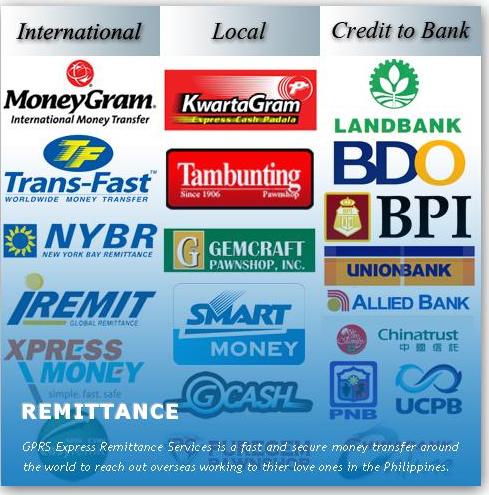
Every transfer service charges something. Western Union, PayPal, bank transfers, remittance centers.
They take their cut. And we feel it.
You send $200. You pay a $10 fee. That’s 5%. Gone. That ₱500 could’ve fed a family for a day. But it’s gone to some corporation that profits from our love.
We do it anyway. Because there’s no alternative. Because we’d rather pay the fee than not send at all.
And then there’s the processing time. Sometimes it’s instant. Sometimes it takes days. Those days are agony. You imagine your mom checking her account. You imagine the worry on her face. You text her, “Ma, give it time.” But you’re worried too.
The Other Costs (The Emotional Ones)
They don’t show up on bank statements.
There’s the cost of missed birthdays. You send money instead of being there. Your mom says, “It’s okay, anak. Just save.” But you see the photos. You see the empty seat at the table. You see your brother’s face when he blows the candles without you.
There’s the cost of loneliness. You work overtime so you can send extra. You skip social events. You tell your friends you’re busy. But really, you’re just tired. And you’re saving. For them.
There’s the cost of guilt. You feel guilty when you send less. You feel guilty when you spend on yourself. You feel guilty when you think about your own retirement. Because every dollar you save for yourself feels like a dollar you’re stealing from your family.
The Joy (Because There Is Joy)
But there’s also joy.
The video call where my mom shows me the new TV they bought. She says, “Anak, we used your remittance.” She’s smiling. She’s proud. And I’m thousands of miles away, crying into my camera.
The message from my sister: “Nakapagbayad na kami sa utang. Salamat.” (We paid off the debt. Thank you.) I read it on the train home. I cry in public. I don’t care.
The graduation photo. My nephew in his toga. He’s holding a certificate. And on the top, my name is listed under “Sponsors.” I didn’t ask for that. But my sister put it there anyway. Because she knows. Because they know.
That’s the joy. That’s why we do this.
The Guilt We Can’t Shake (Even When We’re Home)
The irony is cruel.
You send money from abroad. You’re the hero. The provider. The one who made it.
But when you go home, you feel the gap. You see how they live. You realize your remittances aren’t enough. The house needs painting. The roof is leaking. Your mom’s knees are failing. Your lola’s memory is slipping.
You can send all the money in the world. But you can’t buy time. You can’t buy presence. You can’t buy the years you missed.
And that guilt? It’s heavier than any remittance.
A Letter to My Kapwa OFWs
Dear you,
I know. I know the weight.
I know you skip meals so you can send more. I know you work double shifts because your cousin needs tuition. I know you cry when you see your child’s face on video. I know you hide your exhaustion when you call home.
But listen to me: What you’re doing is heroic. Not because you send money. But because you love. You love so fiercely that you crossed oceans for it. You love so deeply that you sacrifice your present for their future.
They see it. Even when they don’t say it. Your mom sees it. Your siblings see it. Your kids will see it someday.
Don’t forget to take care of yourself too. You can’t pour from an empty cup. Send less if you need to. Save for yourself. Rest when you’re tired.
Because you matter. Not just your remittances. You.
PS: Next time you send a remittance, take a photo. Send it to your mom. Say, “Pa-send ko, Ma. Palit og pagkaon.” (I’m sending. Buy food.) She’ll laugh. But she’ll understand. And that’s the point.
PPS: To all the banks and remittance centers—please lower your fees. We’re just trying to love our families. Stop profiting from our love.
PPPS: If you’re reading this and you’re a recipient—please, when you receive the money, buy something for yourself too. Not just for the family. For you. You deserve it. The person sending? They’d want that.
Want me to make it shorter, add more personal anecdotes, or focus on a specific remittance channel (like Western Union vs. bank transfers)? Just tell me.