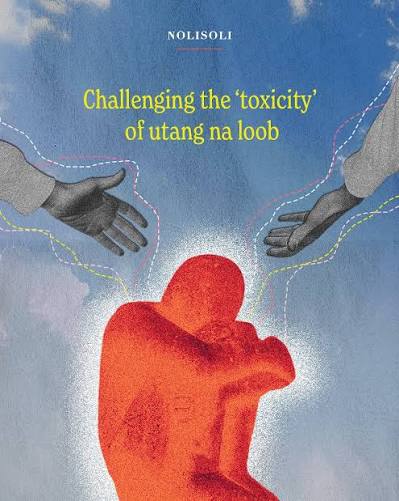
“Utang na loob.”
Say it slowly. Oo-tang na lo-ob.
If you’re Filipino, those three words probably hit you right in the chest. Maybe it’s guilt. Maybe it’s warmth. Maybe it’s that complicated knot of emotions you can’t quite untangle.
If you’re not Filipino, stick with me. Because this concept? It’s one of the most beautiful—and heaviest—things I’ve ever carried.
Let me explain.
What It Actually Means (And Why Translation Fails)
Most dictionaries will tell you utang na loob means “debt of gratitude.”
That’s technically correct. But it’s also wildly incomplete.
See, “debt” sounds transactional. Like a loan from a bank. You borrow, you pay back, you’re done. Clean slate.
Utang na loob isn’t like that at all.
The word loob means “inside”—your core, your soul, your deepest self. So when someone does you a profound kindness, they don’t just help you. They enter your loob. They become part of your internal world. And that creates a bond that doesn’t dissolve when you say “thank you.”
It’s not about keeping score. It’s about recognition. About never forgetting who was there when you had nothing.
The First Time I Felt It
I was 19, broke, and drowning in university requirements. My family couldn’t afford to send me to Manila for a required internship. I was ready to drop out.
Then Tita Nena—my mother’s childhood friend, someone I barely knew—called me.
“I heard you need to go to Manila. I have a spare room. Stay with us. Don’t worry about anything.”
She didn’t ask for rent. She didn’t ask for anything. She fed me, treated me like her own kid, and never once made me feel like a burden.
I cried in that spare room on my first night. Not from sadness. From disbelief that someone could be that generous.
That was utang na loob. And I still feel it, 15 years later. I can’t “pay” Tita Nena back. She doesn’t want money. But I carry her kindness inside me like a fire. And every time I help someone else who’s struggling, I feel like I’m repaying that debt—not to her, but through her.
That’s the magic of it.
The Heavy Side (Let’s Be Honest)
Okay. I can’t romanticize this forever.
Because utang na loob has a dark side too.
Some families weaponize it. You’ve seen it—the parent who says, “I raised you, I fed you, now you owe me.” The relative who reminds you of their “sacrifice” every time you say no to a favor. The boss who exploits your loyalty because you “owe” them for hiring you.
That’s not utang na loob. That’s manipulation wearing its costume.
Real utang na loob is freely given. It doesn’t come with receipts. It doesn’t demand payment. It simply is. The moment someone holds it over your head, it stops being gratitude and starts being a chain.
And here’s the hard truth I’ve learned: you are allowed to set boundaries. Even with people you owe. Even with family.
Gratitude doesn’t mean submission. Remembering someone’s kindness doesn’t mean you have to say yes to everything forever. That’s not ingratitude—that’s maturity.
How It Shapes Filipino Culture (Without Us Realizing)
Utang na loob isn’t just personal. It’s woven into how we function as a society.
- Bayanihan—that spirit of communal unity—is built on it. When the whole neighborhood helps move a nipa hut, nobody asks for payment. But years later, when that family’s son needs a ride to the hospital? Everyone shows up. That’s the debt alive and moving.
- Political loyalty often runs on it. Campaigns thrive on it. That’s why some politicians shower villages with gifts during elections—they’re buying utang na loob, not votes. And it works, because the system taught us that accepting help means owing loyalty.
- Overseas Filipino Workers send remittances not just out of obligation, but out of utang na loob to the families they left behind. They left so their kids could eat, and the kids grow up carrying that invisible debt.
We don’t talk about it enough. But it runs in our blood like rivers.
The Generational Shift (What I’m Noticing Now)
Here’s something interesting.
Younger Filipinos—Gen Z, the millennials—are starting to question utang na loob. Not the gratitude itself, but the weight.
I’ve heard friends say things like:
- “I love my parents, but I don’t owe them my entire life.”
- “Just because they sacrificed for me doesn’t mean I have to follow their career choice.”
- “I can be grateful and still say no.”
And honestly? I think that’s healthy.
We’re learning to separate gratitude from obligation. We’re learning that honoring someone’s kindness doesn’t mean losing ourselves. We can carry the utang in our hearts without letting it crush our dreams.
That’s not disrespect. That’s evolution.
How to Live With Utang Na Loob (Without Drowning in It)
After years of wrestling with this, here’s what I’ve figured out:
1. Accept kindness graciously.
Don’t reject help because you’re scared of the debt. People who genuinely love you don’t give with strings attached. Let them love you.
2. Repay forward, not just backward.
You can’t always pay back the specific person who helped you. But you can pay it forward. Help someone else the way you were helped. That’s the purest form of repayment.
3. Remember, but don’t be imprisoned.
Keep a mental list of people who showed up for you. Thank them. Honor them. But don’t let their expectations dictate your life choices.
4. Say “thank you” with your actions, not just your words.
A sincere “salamat” is beautiful. But showing up when they need you? That’s the real currency.
5. Forgive yourself when you can’t repay.
Some debts are too big to ever settle. That’s okay. The person who helped you likely didn’t expect you to. Let go of the guilt and let the gratitude live instead.
A Final Thought (From My Heart to Yours)
Utang na loob is not a burden.
It’s a reminder that we’re not alone. That somewhere along the way, someone saw our struggle and chose to help. That we are loved, even when we feel unworthy.
The heaviness comes when we misunderstand it. When we turn love into ledger. When we forget that the whole point of kindness is that it multiplies—not when it’s repaid, but when it’s passed on.
So here’s my invitation to you:
Think of the person who changed your life. The teacher who believed in you. The relative who took you in. The stranger who gave you a chance.
You can’t pay them back. You know that.
But you can pay it forward. To your kids. To your neighbor. To that struggling student who reminds you of yourself.
And every time you do, you’re honoring that utang na loob in the most beautiful way possible.
PS: If you’re carrying guilt about a kindness you can’t repay—stop. Breathe. The person who helped you didn’t do it to trap you. They did it because they saw something in you. Prove them right by being kind to someone else. That’s all they’d ever want.
PPS: Call your nanay or tatay today. Not because you “owe” them. Because they’re still here. And one day, you’ll wish you had.
Want me to adjust the tone—make it more personal, more academic, or add specific Filipino cultural examples? Just tell me and I’ll rewrite any section.